


October invites us to pause, not only to recognize Breast Cancer Awareness Month, but also to honor the women, families, and caregivers navigating diagnosis, treatment, recovery, and survivorship.
As a naturopathic doctor, I am passionate about helping people feel supported as whole human beings. Cancer care is not only about test results, procedures, or medication schedules. It is also about sleep, nourishment, emotional well-being, energy, digestion, confidence, and the ability to feel connected to your own body.
Integrative medicine does not replace oncology care. It complements conventional treatment through carefully selected, personalized strategies that may support quality of life and help manage treatment-related symptoms. Surgery, chemotherapy, radiation, hormonal therapy, immunotherapy, and targeted therapies should always be directed by your oncology team.
Natural support should be collaborative, evidence-informed, and tailored to your specific diagnosis and treatment plan.
What Does Integrative Medicine Mean in Cancer Care?
Integrative medicine combines conventional medical treatment with complementary therapies that address the person, not only the disease.
For someone receiving breast cancer treatment, an integrative plan may include:
- Personalized nutrition and hydration support
- Movement adapted to energy levels and treatment needs
- Mind-body practices for stress and emotional regulation
- Sleep support
- Acupuncture or other supportive therapies when appropriate
- Careful review of vitamins, herbs, and supplements
- Communication among the patient, naturopathic doctor, oncologist, and other healthcare professionals
The goal is not to promise a cure or make unsupported claims. The goal is to help a woman feel informed, cared for, and better equipped to move through treatment.
Memorial Sloan Kettering Cancer Center describes growing evidence for integrative approaches to symptoms such as pain, fatigue, nausea, anxiety, sleep disruption, and treatment-related discomfort.
That distinction matters.
Complementary care works alongside conventional care. Alternative care attempts to replace it. For cancer, replacing evidence-based oncology treatment with unproven therapies can create serious risks.
How Naturopathic Cancer Care Can Support the Treatment Journey
Naturopathic cancer care is a personalized form of integrative support. It begins with listening carefully and understanding the full picture:
- What type and stage of breast cancer is present?
- What treatment has been recommended?
- What medications and therapies are being used?
- What symptoms are affecting daily life?
- What are the patient’s nutritional, emotional, and lifestyle needs?
- Are there supplements or herbs that could interact with treatment?
As a naturopathic physician, I do not believe in one-size-fits-all protocols. A strategy that may be appropriate for one person could be inappropriate for another, particularly when hormone-sensitive cancers, low blood counts, surgery, radiation, or complex medications are involved.
This is why individualized review is essential.
Some supportive strategies may include nutrition counseling, gentle movement, breathwork, stress-management techniques, targeted testing, and symptom tracking. Vitamins, minerals, botanical medicine, intravenous therapies, or other natural approaches require careful evaluation and coordination with the oncology team.
“Natural” does not automatically mean safe. Herbs and supplements can affect liver enzymes, blood clotting, blood pressure, immune activity, or the way medications are absorbed and metabolized.
Before starting any supplement, bring the complete product label to your oncologist, oncology pharmacist, or qualified integrative practitioner.

Personalized care creates space for questions, collaboration, and informed decisions.
www.DrSammND.com
Four Areas of Support During Treatment
1. Nutrition Without Fear
Many women feel overwhelmed by conflicting nutrition advice after a diagnosis. One person may recommend a restrictive diet. Another may promote a supplement routine. Online information can quickly become confusing, and sometimes frightening.
A more grounded approach begins with adequate nourishment.
Depending on the individual, nutrition support may focus on:
- Maintaining adequate calories and protein
- Supporting hydration
- Addressing nausea, taste changes, constipation, or appetite changes
- Choosing foods that are realistic during treatment
- Protecting against unnecessary restrictions
- Reviewing food-drug and supplement-drug concerns
There is no universal “cancer diet.” Nutrition should reflect the person’s diagnosis, treatment plan, laboratory findings, preferences, cultural foods, digestive health, and current energy.
2. Movement and Energy Conservation
Fatigue can affect nearly every part of life. Gentle, appropriate movement may support mood, strength, mobility, and confidence, but the right level varies from person to person.
Movement might include:
- Short walks
- Stretching
- Chair exercises
- Gentle yoga
- Breath-centered mobility
- Light resistance work when approved
- Physical therapy after surgery or when range of motion is affected
The goal is not to push through exhaustion. The goal is to maintain connection with the body while respecting its need for recovery.
Memorial Sloan Kettering’s integrative medicine resources discuss the role of exercise and movement in supporting strength, mobility, anxiety reduction, and quality of life during and after treatment.
3. Sleep and Nervous-System Support
Sleep disruption is common during cancer treatment. Pain, hot flashes, medication effects, worry, nighttime awakenings, and changes in routine can all contribute.
A supportive sleep plan may include:
- A consistent sleep and wake schedule
- A calming evening routine
- Limiting stimulating content before bed
- Gentle breathing or meditation
- Daytime movement as tolerated
- Reviewing symptoms and medications with the care team
- Cognitive behavioral therapy for insomnia when appropriate
The nervous system needs repeated signals of safety. Small practices, performed consistently, can become meaningful anchors during an uncertain season.
4. Emotional and Caregiver Support
A breast cancer diagnosis affects more than the person receiving treatment. Partners, adult children, friends, and caregivers may also experience fear, exhaustion, grief, and decision fatigue.
Support can include counseling, support groups, mindfulness, spiritual care, journaling, guided relaxation, and honest conversations about practical needs.
Sometimes the most therapeutic question is not, “What should you do next?” It is:
“What would help you feel less alone today?”
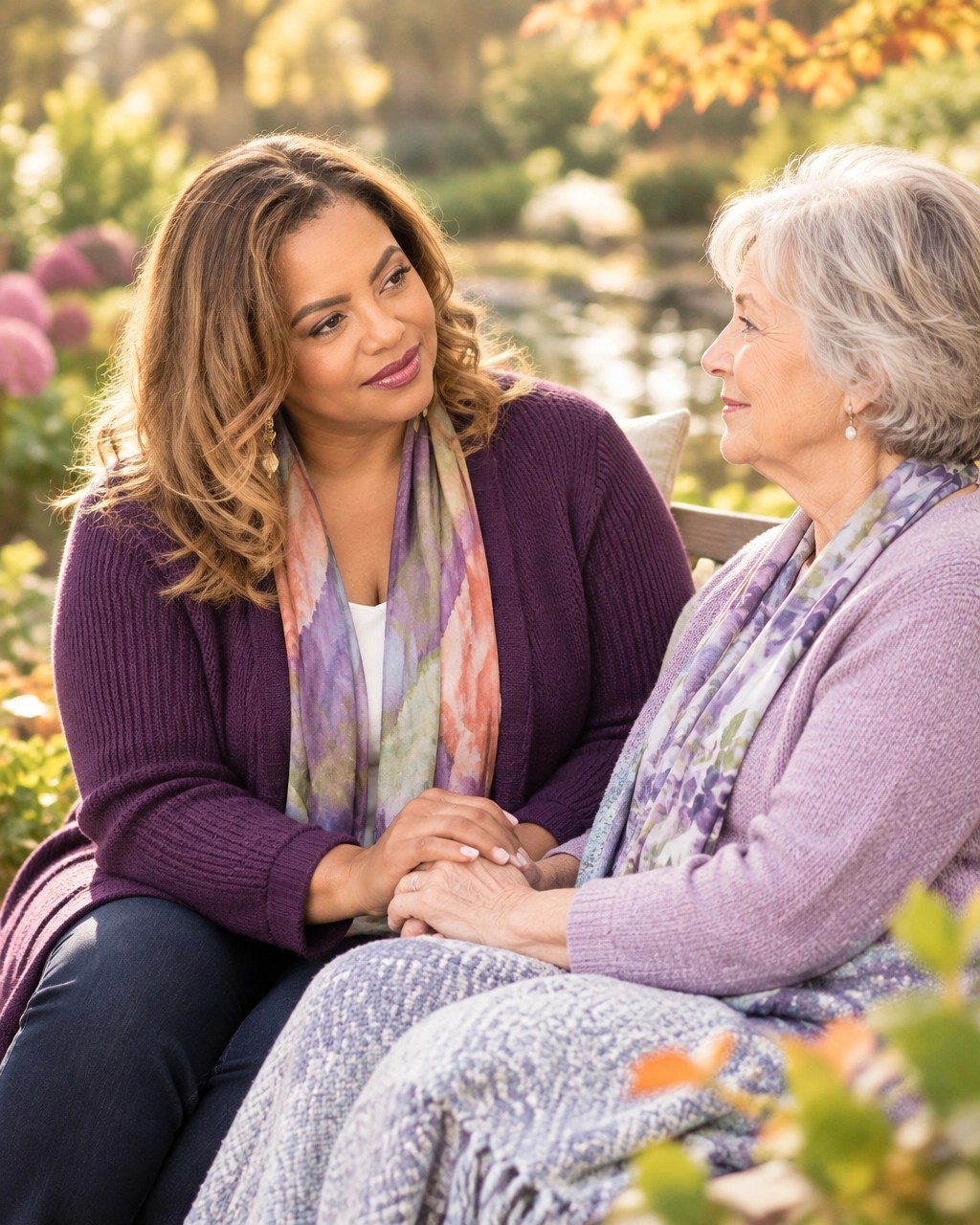
Healing support includes the patient and the people walking beside her.
www.DrSammND.com
Where Do Homeopathy and Herbal Medicine Fit?
Some patients search for homeopathic cancer support or herbal approaches during treatment. I understand why. When conventional treatment feels intense, many people want gentle options that help them feel more involved in their care.
However, homeopathy and herbal medicine should not be presented as substitutes for surgery, chemotherapy, radiation, endocrine therapy, immunotherapy, or targeted treatment. Homeopathy has not been established as a treatment to control cancer. Herbal products also vary widely in quality, dose, evidence, and safety.
The responsible questions are:
- Is this therapy appropriate for my diagnosis?
- Could it interfere with my medication?
- Is the product standardized and from a reliable source?
- Who will monitor for side effects?
- Has my oncology team reviewed it?
- What symptom or goal are we trying to address?
The Mayo Clinic explains that alternative cancer treatments should not replace standard care and that some natural products may be unproven or harmful.
That is not a rejection of natural medicine. It is a commitment to practicing it carefully.
The V.I.T.A.L. Approach™ During Cancer Care
My V.I.T.A.L. Approach™ offers a practical framework for supporting the foundations of well-being:
- V, Valuable Sleep: Create a restorative sleep rhythm and address barriers to rest.
- I, Individualize Everything: Personalize testing, diet, supplements, movement, and support.
- T, Thorough Hydration: Maintain appropriate hydration in collaboration with your medical team.
- A, Active Mental Health: Make emotional support, stress regulation, and connection part of care.
- L, Lymphatic Flow: Encourage appropriate movement and mindful awareness of what enters your body, touches your body, fills your environment, and influences your mind.
This framework is not a cancer treatment. It is a way to remember that your daily foundations matter, even when treatment feels complex.

Small, consistent routines can help create steadiness during an unpredictable season.
www.DrSammND.com
Why a Concierge Naturopath May Be Helpful
Cancer care often generates questions between appointments:
- Should I take this supplement?
- How can I manage this change in appetite?
- Is this symptom expected?
- What information should I bring to my oncologist?
- How do I organize my medications and wellness routine?
- How can my caregiver and I communicate more effectively?
A concierge naturopath provides ongoing, personalized access rather than limiting support to brief, isolated visits. At Balanced Integration, the concierge model may include communication by phone, text, or video conference within the care arrangement.
This type of relationship can be especially meaningful for patients and caregivers who want a dedicated professional to help organize questions, review natural products, and support communication with the broader healthcare team.
A Safe Next Step
If you are considering an alternative cancer treatment, pause and ask whether it is truly complementary, evidence-informed, and coordinated with your oncology care.
You deserve:
- Clear information
- Respect for your values
- A personalized plan
- Honest conversations about uncertainty
- Support for your body, mind, and emotional well-being
- Care that never asks you to choose between safety and compassion
Breast Cancer Awareness Month is a reminder that women deserve more than awareness. They deserve partnership, dignity, and whole-person support throughout treatment and survivorship.
I am passionate about helping women and caregivers navigate natural strategies responsibly and collaboratively. If you would like to explore whether naturopathic cancer care or concierge support may fit alongside your current treatment plan, book a discovery call at SpeakWithDrSamm.com.
What kind of support would help you feel more informed and cared for during your health journey? 💗
This article is for educational purposes only and does not replace individualized medical advice. Do not start, stop, or change cancer treatment, supplements, herbs, or medications without speaking with your oncology team and qualified healthcare professionals.